It may seem a touch counterintuitive to market a wildlife tour without focusing on the wildlife, but wildlife alone rarely persuades someone to spend thousands on a trip. It’s the feeling, the experience, the whole sense of adventure that ultimately gets people to book, and more importantly, the right people. While many wildlife tour operators are busy marketing the same thing, take this opportunity to focus on what goes unseen, what happens in between and behind the scenes, and present the experience as a whole.
Why wildlife tour marketing needs to sell more than wildlife
There’s no denying that wildlife is what initially grabs attention. But if five operators in the same destination offer the chance to see the same animal, the animal itself is no longer what sets you apart.
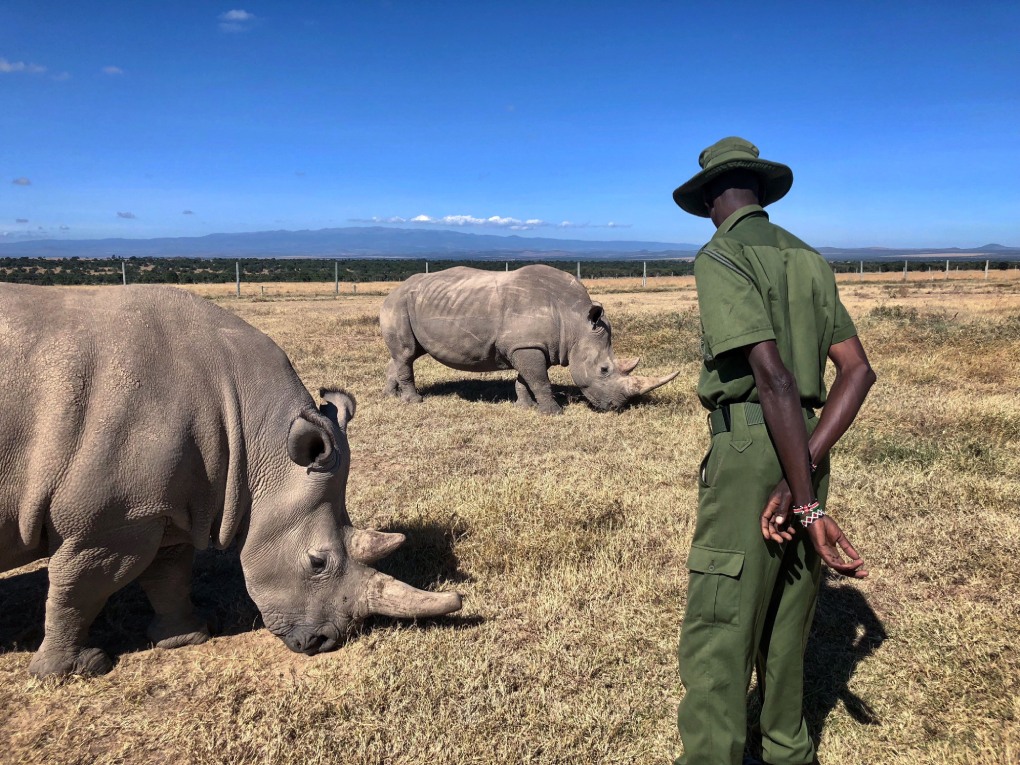
Take the safari operator in Kenya. Chances are, they’re not the only company offering game drives with the possibility of seeing lions, elephants, and giraffes. Likewise, one whale-watching company can hardly claim to have the monopoly on the ocean.
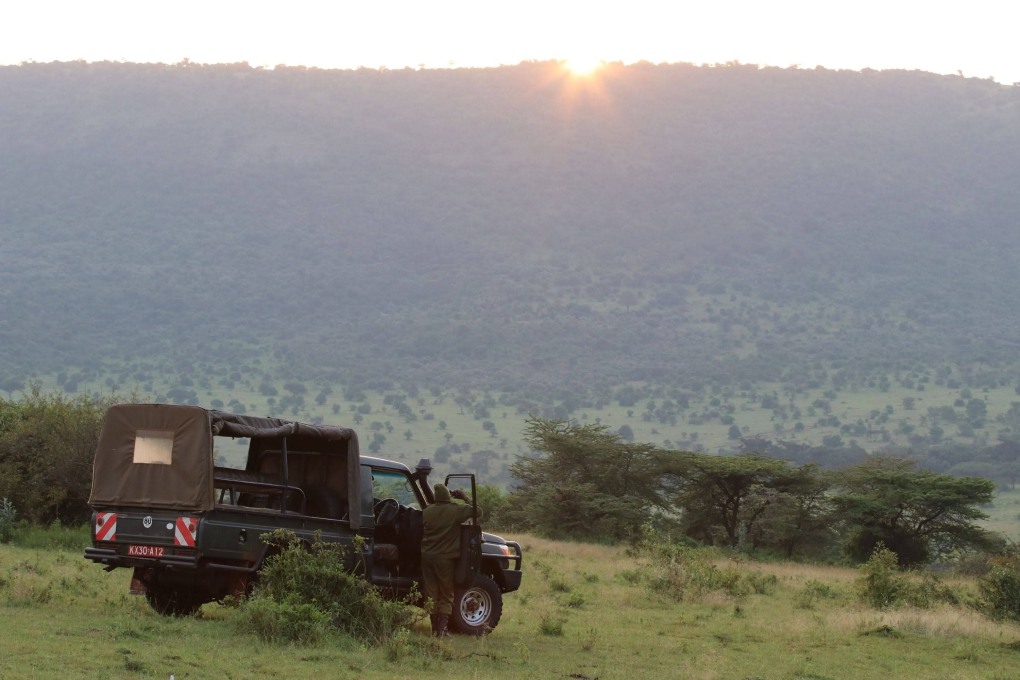
What is different is everything surrounding that sighting. Perhaps your guests head out before sunrise with a guide who has spent 20 years tracking wildlife in the area. Maybe your groups are deliberately kept small, giving people time to stop, listen and ask questions. Perhaps guests spend an afternoon with conservationists learning about how they can contribute to protecting the habitat of the animals they’ve just seen.
These are the details that turn wildlife from a product into an experience. They also give travellers a reason to choose your tour rather than another one offering a similar itinerary. Your wildlife tour marketing should therefore answer the question: What will experiencing this with us be like?
Why wildlife travel experiences influence booking decisions
In travel marketing, you can’t try before you buy. Someone considering a safari, birding holiday or polar expedition has to picture themselves there.
Recent tourism research found that tours expected to involve greater variation in emotions produced stronger booking intentions, and that perceived novelty and interest helped explain the effect. Research into memorable wildlife tourism experiences has also found that escapism, authenticity, experience co-creation, and education contribute to how memorable a wildlife experience becomes.
That’s why experience-led marketing needs to lead with that sense of anticipation. You’re not inventing excitement that isn’t there. You’re showing people the value of parts of the trip they can’t understand from an itinerary alone.
How experience-led marketing attracts responsible wildlife travellers
There’s another advantage to shifting attention away from sightings, in that it changes what success looks like. As we know, wild animals don’t work to a schedule. Marketing built around getting as close as possible, ticking off species or capturing the perfect photograph can create expectations that responsible operators shouldn’t necessarily want to meet. But experience-led marketing gives you something more realistic to promise.
It creates an opportunity to attract travellers whose idea of a great wildlife experience already aligns with the way you operate. Someone who is less likely to judge the success of a trip solely by how many animals they saw or how close they got to them.
That’s an important distinction. You’re not asking someone to sacrifice a better holiday in order to travel responsibly. You’re showing them that a more responsible approach can be the better holiday. Of course, attracting responsible travellers also depends on creating wildlife content that communicates your ethics without sounding preachy.
How to turn responsible wildlife tour content into an experience
Imagine you had to choose between two safaris. One promises an early morning game drive and the chance to see elephants. The other tells you you’ll be out before sunrise, stopping for coffee in the bush before following fresh tracks with a local guide who grew up here and knows where the herds tend to gather when the sun rises.
It’s the same with whale watching. See humpback whales on a three-hour boat trip tells me what I’m buying, but tell me there’s a marine biologist on board who can help me identify individual whales that we’ll listen to using a hydrophone, and suddenly I’m imagining myself there.
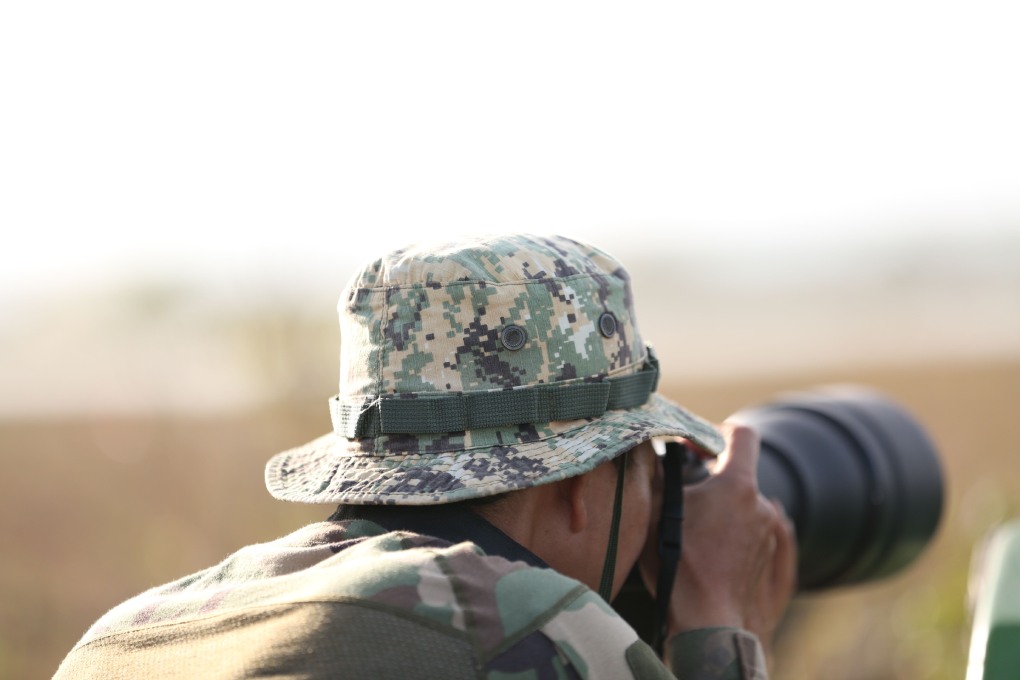
Photography trips are another good example. A chance to get the perfect shot might draw attention, but add an expert wildlife photographer who takes you out before dawn, helps you find the best light and teaches you how to anticipate an animal’s next move, and you’ve got an experience worth travelling for. Some wildlife travel companies are already doing a great job of turning what makes their experiences different into content that stands out.
5 questions to ask improve your wildlife tour marketing strategy
You don’t necessarily need a complete marketing overhaul to work out whether you’re selling experiences or simply advertising wildlife. Start by looking at your homepage, tour descriptions and promotional material and asking:
- Could a competitor say exactly the same thing? If you removed your company name, would anyone know the tour was yours?
- Can travellers picture themselves there? Or are they mostly reading dates, destinations and species names while trying to suppress a yawn.
- What will guests remember besides the animals? Think about guides, landscapes, sounds, meals, conversations, learning and those unexpected moments that bring joy and wonder.
- Are you making your people part of the experience? An experienced tracker, conservationist, photographer or local naturalist may be a stronger reason to book than just another photograph of a lion.
- What happens if the star animal doesn’t appear? Would your marketing still leave someone feeling the trip was worth taking?
That final question is perhaps the most useful of all. If the entire value of a tour disappears when an animal fails to turn up, you’re not really marketing an experience, you’re selling a promise there’s no guarantee you can keep.
Experience-led wildlife marketing focuses on the emotions, memories, and personal connections travellers hope to gain rather than simply promoting animal sightings. By highlighting anticipation, expert guides, conservation, and meaningful encounters, it helps wildlife tour operators stand out from competitors while attracting travellers seeking authentic, responsible experiences.
If your website focuses on what travellers might see instead of what they’ll experience, it could be missing the very thing that persuades people to book. Experience-led content can make all the difference, and is just one of the services I provide for responsible wildlife travel and tour companies.
FAQs:
Experience-led wildlife marketing promotes what a traveller will feel, learn and remember during a wildlife tour rather than focusing solely on the animals they may see. It can include the expertise of guides, sense of place, conservation activities, learning opportunities and the small moments that make one operator’s experience different from another.
Start with the parts of your experience competitors can’t easily copy. These might include specialist guides, small group sizes, access to particular locations, conservation partnerships, local knowledge or an unusual approach to observing wildlife. The species may be shared with competitors; the way guests experience them doesn’t have to be.
Research points to a combination of sensory impressions, emotions, authenticity, education, participation and satisfaction. This is why the moments surrounding a wildlife sighting can be just as important as the sighting itself.
Growing awareness of animal welfare and the effects of tourism means many travellers are paying closer attention to how wildlife experiences operate. Responsible operators can turn this into a strength by showing how respectful viewing, knowledgeable guides and conservation involvement contribute to a richer experience rather than presenting responsibility as an add-on.