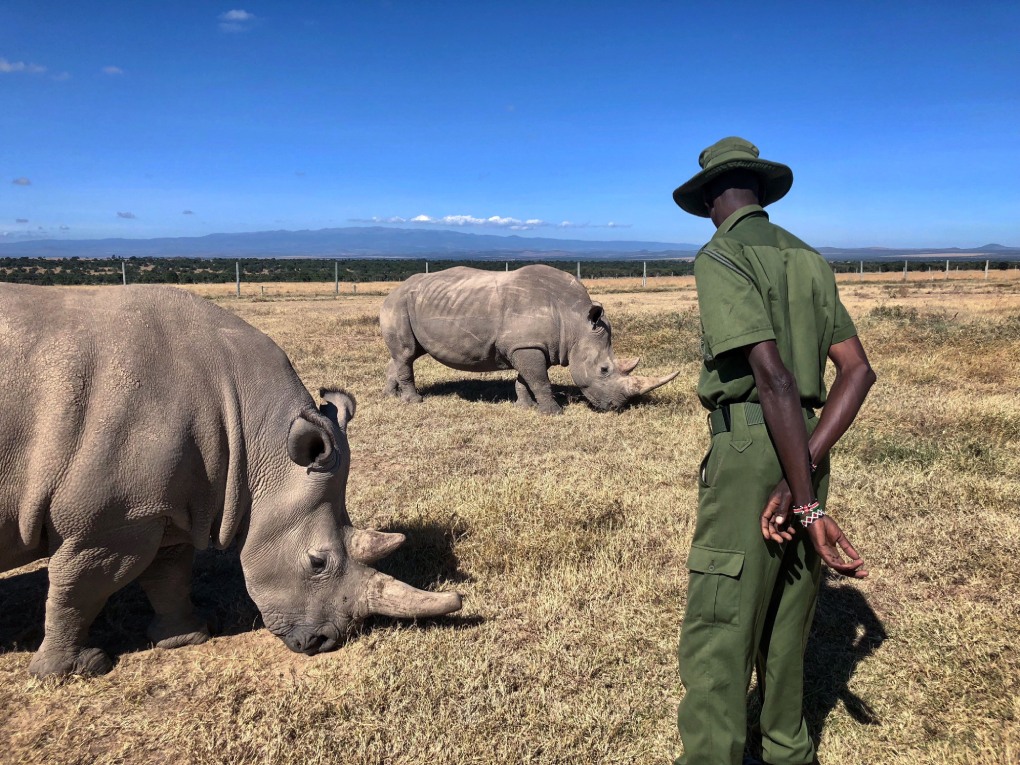
Lots of travel brands claim to be ethical, sustainable, responsible, conservation-led, and animal-friendly.
Is it just words? Do these claims fall into the realms of greenwashing?
Perhaps for some, but travellers are getting better at seeing through vague statements, which means the best wildlife tourism and ethical wildlife travel brands need to put their money where their mouth is.
One of the best ways to do this is to take notice of those brands already doing it well. Those who live up to their claims and are able to prove it. The following is not a list of “nice companies doing nice things.” It’s a breakdown of wildlife travel brands making steps to put animal welfare first. By using content to tell their story, explain their standards, reduce confusion, and ultimately building trust, they help travellers make better choices.

What makes ethical wildlife travel content trustworthy?
You may be interested in my post on how ethical wildlife tourism brands can create better content.
It’s one thing saying your brand is ethical, but responsible travellers need to see it as well as read or hear it. Travellers would generally like to be more responsible but are not sure of the best way to go about it. It’s the job of the travel company to make it clearer and easier for them.
This can be thoroughly covered through the following eight steps:
Responsibility → Policy → Education → Expertise → Evidence → Expectations → Conservation → Imagery
1. It balances inspiration with responsibility
The best wildlife stortytelling inspires people to travel, creating a sense of anticipation and adventure while being clear that wild animals aren’t there to entertain tourists. There’s a big difference between encouraging people to appreciate wildlife and encouraging them to interact with it.
2. It explains the policy, not just the promise
Explaining your policy could quickly become long and somewhat boring, but good brands find a way of explaining what they allow, what they avoid, and why, in a way that’s easy to read, interesting, and inspirational.
3. It teaches travellers to make better decisions
Many people want to travel responsibly but don’t always know where to start. Good wildlife content helps travellers spot the warning signs of poor animal welfare and explains why activities such as elephant rides, petting, wildlife selfies and close-contact encounters are harmful.
4. It uses expert backing
It’s much easier to trust a wildlife brand when you can see where its sources come from. That might be a recognised animal welfare organisation, a conservation charity, local experts, researchers, or long-term conservation partners.
5. It backs up claims with evidence
It’s easy to say a trip supports conservation, but without the evidence, it means nothing. Ethical wildlife travel brands provide examples of partnerships, projects, reports, or policies that back up all claims.
6. It sets realistic expectations
Wild animals don’t magically appear on demand, and they’re not keen on following an itinerary either. Trustworthy wildlife brands avoid language that guarantees sightings, encourages close encounters, or suggests animals can be controlled. Instead, they emphasise the privilege of observing natural behaviour in the wild.
7. It explains the wider conservation impact
People want to know where their money is going and how it’s being used for the greater good. The best content explains how tourism protects habitats, supports conservation projects, funds research, creates jobs for local guides, and helps communities living alongside wildlife.
8. The imagery supports the message
A strong animal welfare policy can quickly lose credibility if the website is filled with images of tourists cuddling wildlife, crowding around them, or even getting within touching distance. The strongest brands are just as careful with their imagery as they are with their words.
“If you need help getting your wildlife travel content on the right track, my content audit service is designed just for you. I’ll review your website and provide practical, actionable recommendations to help you communicate your values more clearly, build trust with responsible travellers, and turn your content into one of your strongest selling points. Take a look at my service page for more info.“
10 ethical wildlife travel brands that get their content right
1. Natural Habitat Adventures
What they say: “Since 1985, Natural Habitat Adventures has delivered life-enhancing nature and wildlife experiences to small groups of travelers passionate about the natural world.”
Why it works: Natural Habitat Adventures has a clear conservation positioning through its WWF partnership and has done for a long time. Their home page goes straight to their “conservation through exploration” motto and everything you need to know can be found on that page without having to go looking for it.
Takeaway: Don’t hide your values or make your readers go looking for what makes your brand different. Within a few moments of landing on your site, visitors should understand what you stand for.
2. Intrepid Travel
What they say: “Our trips offer an unforgettable chance to observe wild creatures in their natural habitat because we believe that wild animals should be viewed doing what they do best: living in the wild.”
Why it works: Intrepid works with associations including World Animal Protection and Born Free, and has stopped all close interactions with elephants and big cats for years. They have a dedicated page that explains in more detail their animal welfare policy and how their wildlife tours support conservation. They support this further with blog posts and articles for those who want to know more.
Takeaway: Keep readers up to date with your latest developments. If you’ve stopped offering certain activities or changed the way you operate, explain why. Travellers want to know that you’re thinking carefully about the choices you make and the impact it has. Use UGC to put them there and satisfy their curiosity when they inevitably want to dig deeper.
3. G Adventures
What they say: “Like all our tours, this [Jane Goodall] collection upholds our Animal Welfare Policy, letting you step deeper into the animal kingdom while still respecting the species who call it home.”
Why it works: It doesn’t get much better than being endorsed by Dr Jane Goodall herself, and in doing so, G Adventures clear animal welfare policy connects ethical wildlife travel with expert credibility. The company has created their selection of G Adventures tours with some of the proceeds going towards the Jane Goodall Institute, and policies created with other organisations including World Animal Protection and World Cetacean Alliance.
Takeaway: A big-name conservation partner sounds impressive, but travellers still want to know what’s behind the logo. Explain what the partnership involves, how it influences your trips, what standards you’re expected to meet, and how it affects their experiences.
4. Responsible Travel
What they say: “Travel should be good for you, the places and people that you visit, and the planet. We are the pioneers of responsible tourism and have been trying to square this circle, which isn’t easy, every day since 2001.”
Why it works: Responsible Travel does exactly what the name promises. Alongside destination guides and wildlife holidays, the site has an extensive library of educational content that tackles everything from elephant tourism to whale watching.
Takeaway: Not every piece of content has to sell a holiday. Responsible Travel invests heavily in educational articles that answer common questions and challenge misconceptions, which is the kind of content that earns visitors’ trust.
5. Earthwatch Expeditions
(Earthwatch Expeditions is now operated by Natural Habitat Adventures.)
What they say: “Earthwatch Expeditions pair researchers with volunteers to address some of the world’s most pressing environmental challenges.”
Why it works: Earthwatch Expeditions takes a different approach from many travel brands. Rather than positioning wildlife as something to simply observe, they invite travellers to contribute to scientific research and conservation projects. The content clearly explains the purpose behind each expedition, the research being undertaken, and the role participants play.
Takeaway: Show the purpose behind the place. Many wildlife brands talk about conservation but fail to explain how vital a part visitors play. Build excitement by explaining what the challenges will be, why the work is important, and exactly how they’ll be involved.
6. Exodus Adventure Travels
What they say: “With more than 50 years of adventure travel expertise, Exodus focuses on locally led experiences that support communities, encourage low-impact travel, and create meaningful encounters in some of the world’s most extraordinary destinations.”
Why it works: Exodus gives visitors plenty of reasons to trust them as soon as they arrive on the site. Their National Geographic Traveller award, customer reviews and years of experience are all clearly visible, while wildlife holidays are organised into themes. Instead of leaving people to scroll through dozens of itineraries, the site quickly helps them narrow down the type of experience they’re looking for.
Takeaway: Don’t make people work to find their ideal trip or your biggest achievements. If you’ve won respected awards, show them. If your holidays cover lots of different wildlife experiences, organise them in a way that helps visitors find what they’re interested in quickly.
7. World Expeditions
What they say: “[our] wildlife safaris are about observing animals where they belong – in the wild, on their terms, and with the time and space to truly understand their behaviour and environment.”
Why it works: World Expeditions is careful not to oversell the wildlife experience. Instead of promising unforgettable encounters or guaranteed sightings, they talk about observing animals where they belong, in the wild and on their terms.
Takeaway: Setting realistic expectations makes your content more believable and doesn’t have to make a trip sound less exciting. Focus on the quality of the experience rather than the quantity of animals people might tick off their list.
8. Naturetrek
What they say: “On one of our holidays, you can be assured that our passionate team will enable you to experience and enjoy the best of the world’s wildlife and natural spectacles in as comfortable and rewarding a manner as possible, caring as best we can for the environment in the process.”
Why it works: Being a British based brand, Naturetrek makes the most of what their home country has to offer too. They also give plenty of reasons to stay on their site, with free brochures, free wildlife talks for clubs and societies, UK day trips, open days, conservation updates, destination information, and specialist advice, on top of their experiences.
Takeaway: Wildlife travellers are often passionate about nature all year round, so create content and events that keep them engaged between trips. It builds loyalty and gives people more reasons to come back.
9. National Geographic Expeditions
What they say: “When you travel with us, you gain access to people and places. You’re enriched by the knowledge of our experts and guides, and by local experts we meet along the way. And you give back.”
Why it works: National Geographic Expeditions tells the bigger story. Rather than focusing solely on the wildlife, its content explores the landscapes, cultures and conservation efforts in each destination, resulting in a more immersive online experience.
Takeaway: Every wildlife destination is full of stories. Look for the one that’s unique to each place, and build your content around it.
10. Much Better Adventures
What they say: “Travelling with Much Better Adventures means not just better trips for you, it’s better for local communities, better for wildlife and better for the planet.”
Why it works: Much Better Adventures shows that responsible travel doesn’t have to sound serious all the time. Its conversational tone, playful headlines and simple language make the brand feel approachable, while encouraging people of all ages, abilities and experience levels to get outside and explore.
Takeaway: Let your personality shine through. A distinctive tone of voice can make your content far more memorable, as long as it still reflects your values and doesn’t undermine the seriousness of wildlife conservation.
“Need help turning your wildlife travel values into content that builds trust? I help ethical, wildlife-focused travel brands connect with their kind of people using clear messaging and immersive storytelling. No greenwashing of any kind found here. Contact me to find out how I can help you and your brand.“