
Wildlife experiences have become a defining part of how many travellers choose and remember destinations, from safaris and whale watching tours to birdwatching and manta ray encounters. Wildlife tourism is one of the fastest-growing sectors of the travel industry, with safari and wildlife viewing ranked among the world’s top adventure travel activities.
But as the sector continues to grow, so does the debate around what actually counts as ethical wildlife tourism. While more travellers say sustainability and animal welfare matter to them, expectations around what an ethical wildlife experience should look like are hugely varied. For some, it means seeing animals in their natural habitat with minimal disturbance. For others, close encounters and photo opportunities are still seen as acceptable despite growing concerns around exploitation and cruelty.
What makes wildlife travel ethical?
Ethical wildlife tourism means experiencing animals in ways that respect their natural behaviour, habitats, and welfare. At its core, it prioritises observation over interaction and conservation over entertainment. Wildlife should never be stressed, handled, crowded, or pushed into unnatural encounters simply to satisfy visitor expectations or create marketable experiences.
Respecting natural wildlife behaviour
One of the clearest signs of ethical wildlife tourism is how little it interferes with natural animal behaviour. Yet crowded wildlife encounters driven by photo opportunities are still common, particularly in destinations where sightings have become major tourist attractions. While many travellers see these moments as once-in-a-lifetime experiences, they are often unaware of the harm caused when animals are surrounded, approached too closely, or repeatedly exposed to human presence.
Wildlife tourism should never interfere with natural foraging patterns, nesting, feeding young, migration routes, breeding behaviour, or communication between animals. Whale shark tourism in the Maldives is one example where growing visitor demand has raised concerns among conservationists. Multiple tour operators arrive at the same site at once, surrounding whale sharks with swimmers and boats. Research suggests this repeated disturbance can alter behaviour and force animals to avoid important feeding areas, potentially affecting long-term health and survival.
Observation over interaction
An ethical animal encounter should never involve any touching, petting, feeding, or selfies. Observation over interaction creates more meaningful connections between humans and wildlife because it’s more natural. Much more so than searching for the perfect photo opportunity, when visitors often miss the beauty of the actual moment while being too focused on getting the perfect selfie.
Why wildlife tourism needs honest expectations
Ethical wildlife experiences should never be built around guaranteed sightings, staged encounters, or opportunities designed purely for entertainment. Wildlife is unpredictable, which means no ethical operator can promise exactly when or where an animal will appear. While many travellers already understand this, clear communication matters. Travel brands have a responsibility to set realistic expectations before the experience begins, particularly in destinations where wildlife encounters are heavily marketed online.
This is where the difference between conservation-led tourism and wildlife entertainment becomes much clearer. Ethical wildlife experiences should support habitat protection, local communities, conservation funding, and educate visitors about wildlife behaviour. Experiences that encourage animals to perform unnaturally, tolerate constant human interaction, or become props for photographs move away from conservation and towards entertainment-driven tourism.
A framework for ethical wildlife experiences:
- Wildlife is observed rather than touched or handled
- Animals are free to move naturally within their environment
- Sightings are never guaranteed
- Guides prioritise welfare over photographs and close encounters
- Experiences remain small-scale and low impact
- Conservation projects and local communities benefit financially
- No feeding takes place, as feeding can alter natural behaviour and create dependency on humans
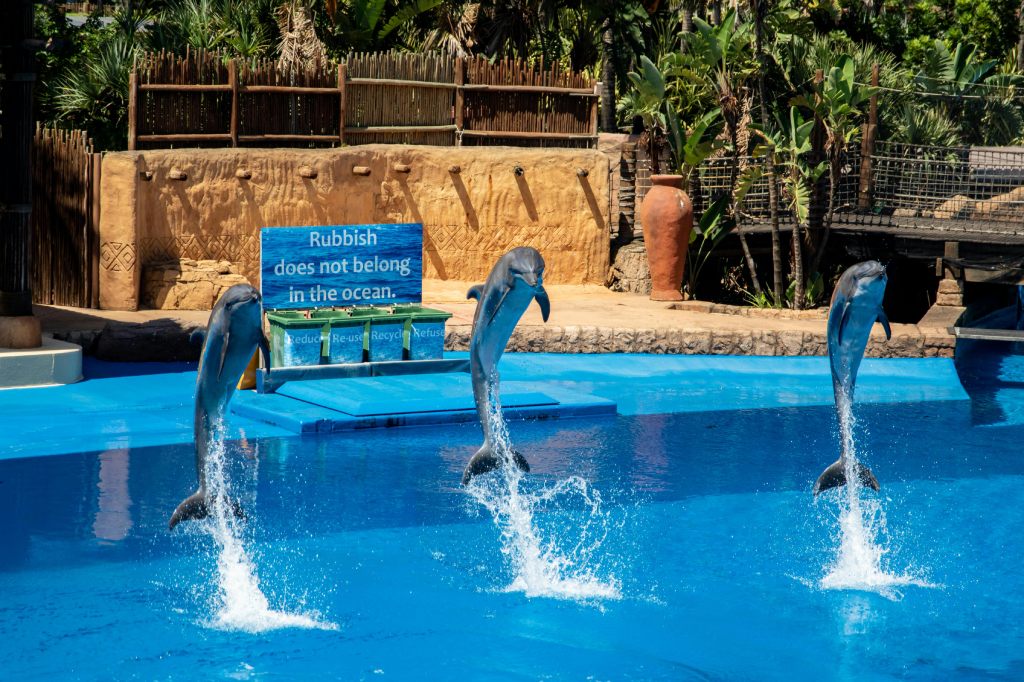
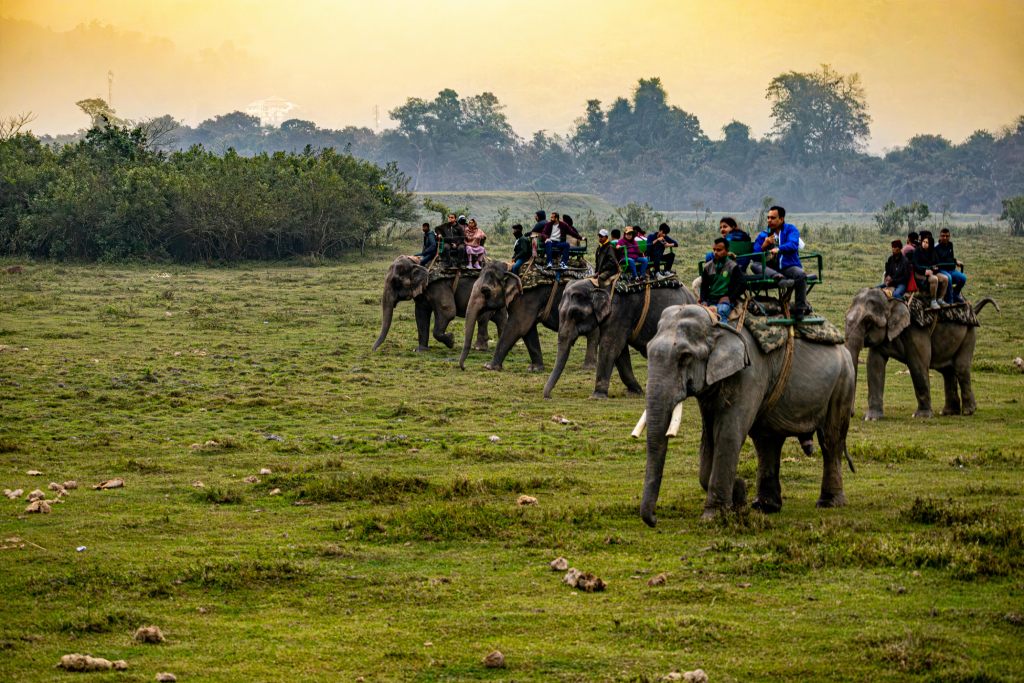
- No staged performances or forced interactions are involved, such as elephant rides, tiger selfies, captive dolphin encounters, shark cage baiting, or performing bears
- Animal welfare policies and visitor rules are communicated clearly before the experience
- Visitors are educated about wildlife behaviour, conservation, and responsible viewing practices
Why travellers are questioning “ethical” experiences more closely
Social media has transformed the way wildlife experiences are marketed, shared, and consumed. While it has helped raise awareness around conservation and animal welfare, it has also normalised harmful wildlife encounters, creating unrealistic expectations.
How social media is influencing wildlife tourism
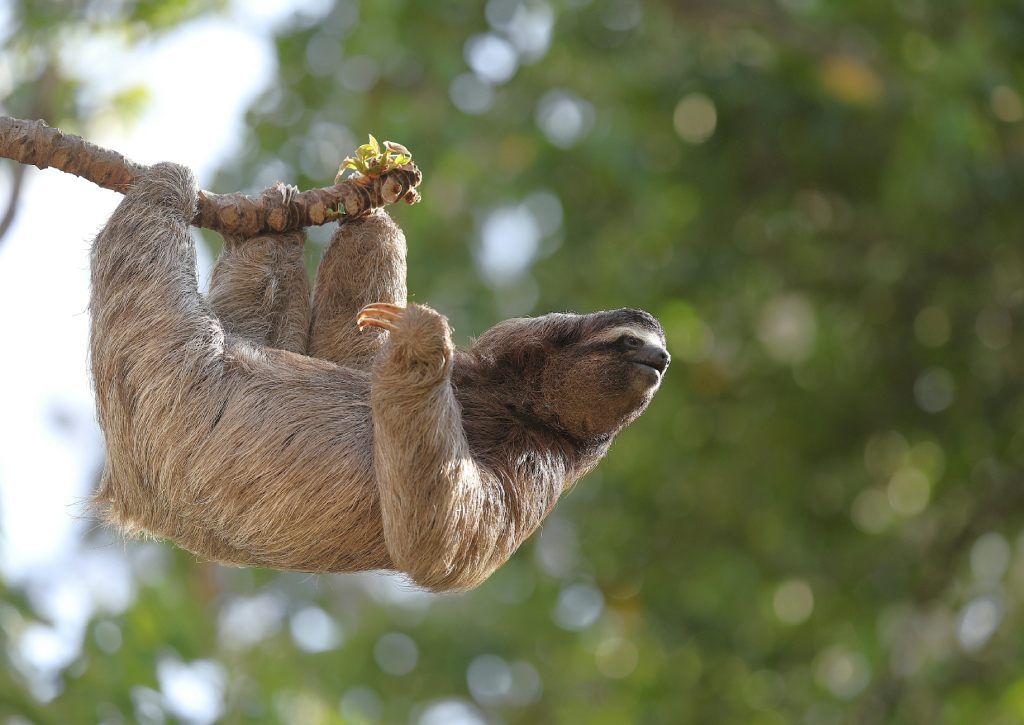
Images of travellers posing with sloths, dolphins, tiger cubs, and other wild animals continue to circulate widely online, often turning close-contact encounters into aspirational travel moments. Such has been the case with sloths and the tragic case of Sloth World in Florida, when over 30 sloths died after being taken from their home in South America. AI-generated wildlife imagery is also becoming more common, further distorting expectations around wildlife encounters.
Geotagging has created additional pressure on sensitive environments. Popular wildlife sightings can quickly attract crowds of tourists, photographers, guides, and safari vehicles, particularly when locations are shared online in real time. Social media still has enormous potential to educate travellers, support conservation awareness, and promote responsible wildlife tourism, but only when animal welfare remains the number one priority.
Greenwashing and misleading sustainability claims
The terms “ethical,” “sustainable,” and “responsible” are common across the travel industry. The problem is that these labels are easy to use and much harder to verify. This has led to greenwashing, where businesses make misleading or exaggerated environmental and ethical claims without meaningful action behind them. For travellers, greenwashing can create a false sense of reassurance. Experiences marketed as conservation-led or wildlife-friendly may still contribute to poor animal welfare, habitat disruption, or exploitative tourism practices behind the scenes. At the same time, vague sustainability messaging allows businesses to attract travellers willing to pay more for supposedly eco-conscious experiences.
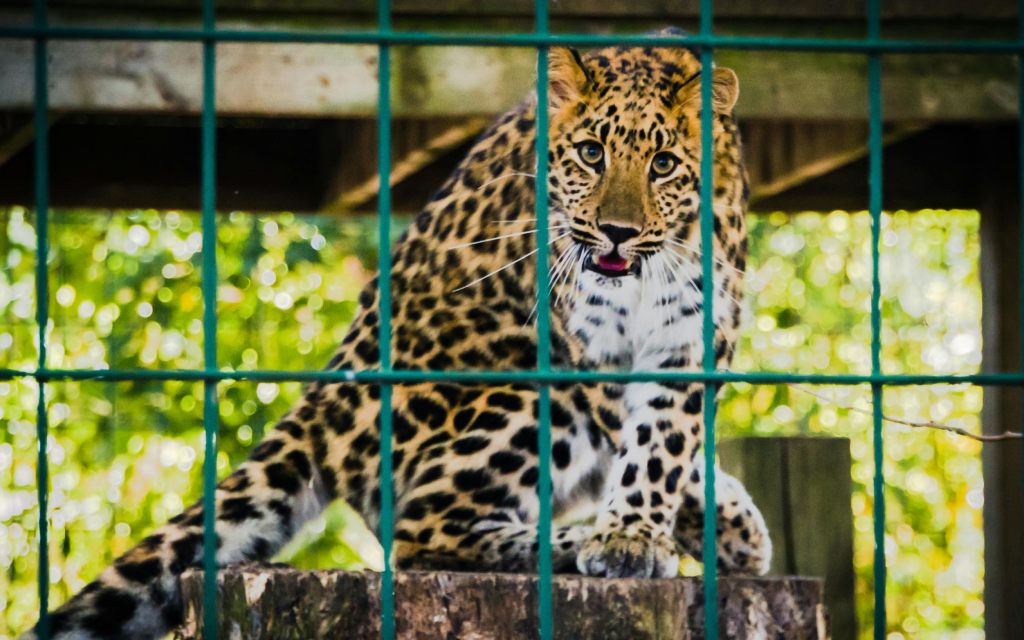
Take the case of the Cat Survival Trust in Hertfordshire, England. Founded as a sanctuary for rescued and endangered big cats, the facility later became the subject of animal welfare investigations after concerns were raised over the treatment and care of animals kept on site. Cases like this highlight problems with terms such as “sanctuary,” “rescue centre,” and even “conservation”, which can create an immediate sense of trust, despite there being no guarantee that animal welfare standards or expert care are actually being upheld.
Overtourism and the pressure to deliver close encounters
As demand for wildlife encounters grows, some operators face increasing pressure to deliver guaranteed sightings and close encounters. In heavily visited destinations, this can lead to overcrowding, animals being chased or surrounded, and experiences becoming more focused on entertainment than conservation.
Elephant washing in Thailand is one example of how wildlife experiences can appear harmless on the surface while masking serious welfare concerns behind the scenes. Marketed as a more ethical alternative to elephant riding (it isn’t), elephant bathing experiences still involve captive elephants conditioned for constant tourist interaction.
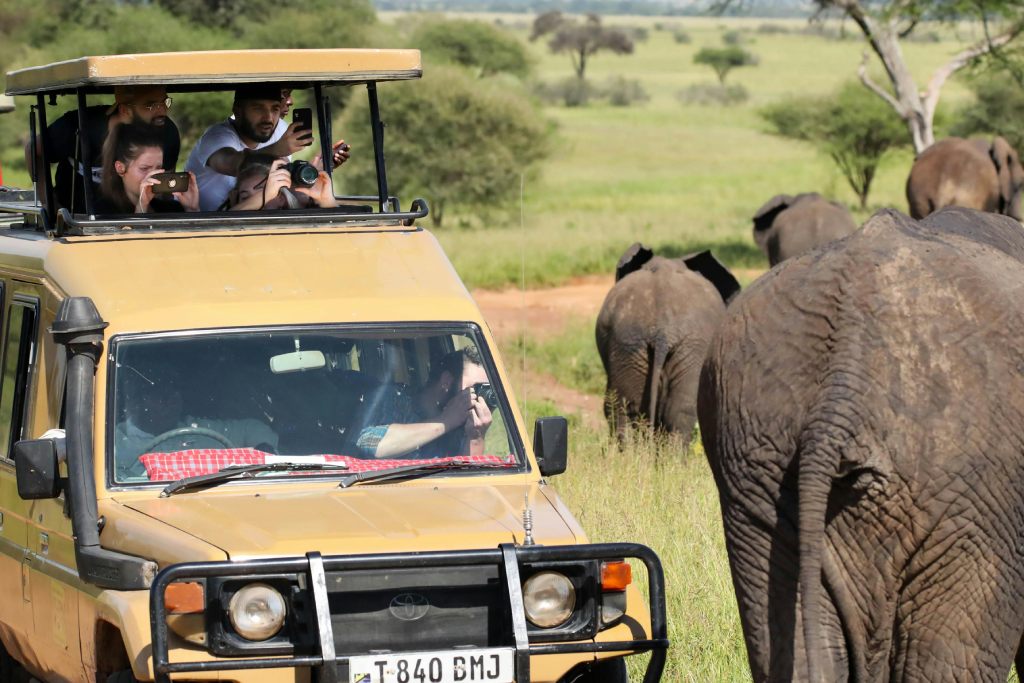
Similar concerns exist in safari tourism. A viral video from Ranthambore National Park in India showed safari vehicles crowding around a tiger so closely that he struggled to move away. Incidents like these have reignited discussions around overtourism, wildlife stress, and stricter photography rules in protected areas. This can also potentially damage the reputation of destinations and operators attempting to position themselves as responsible wildlife tourism providers.
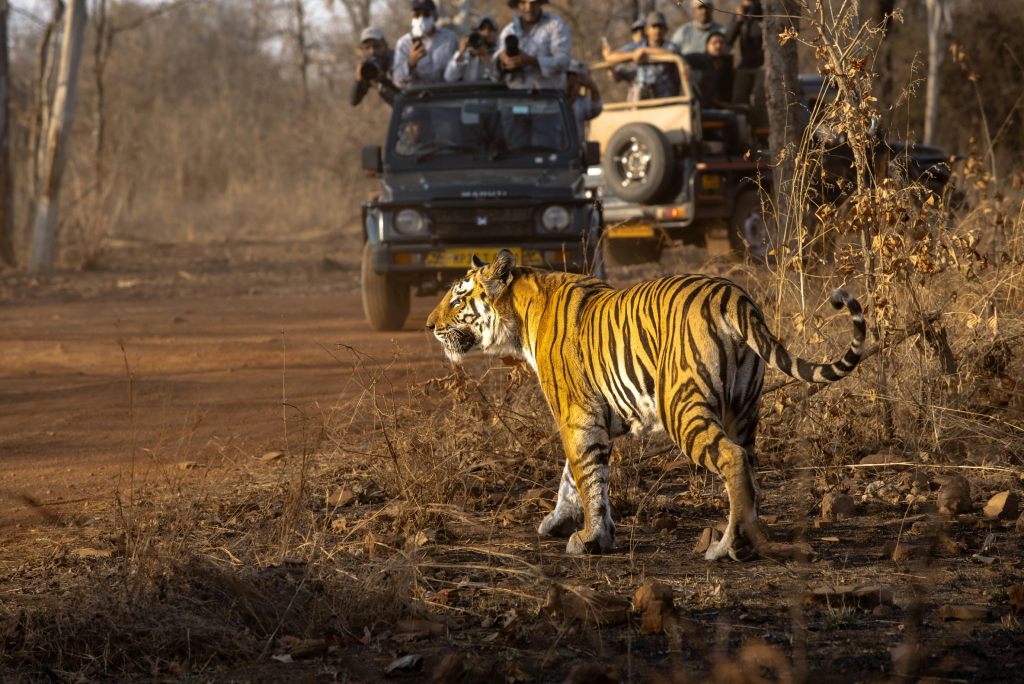
Red flags travellers should look out for on wildlife tours:
- guaranteed sightings
- touching or feeding wildlife
- selfies with wild animals
- overcrowded tours
- vague “eco” or “ethical” claims without proof
- no visible conservation partnerships
- poor welfare information
- animals displaying unnatural behaviour
- close-contact photography
- lack of visitor rules or welfare policies
- Unqualified tourguides
What responsible travellers expect from wildlife-focused travel
Research into wildlife tourism experiences suggests that travellers are often looking for something much deeper than simply spotting an animal. Many are seeking immersive, memorable experiences that allow them to disconnect from everyday life and in turn feel more emotionally connected to the natural world. Visitor satisfaction is not always dependent on a guaranteed sighting, but on the authenticity of the overall experience and the feeling that wildlife is being observed responsibly within its natural environment. Travellers increasingly value honesty, transparency, and meaningful conservation involvement over staged encounters designed purely for entertainment.
Around 250 travel and tourism companies have already signed World Animal Protection’s Wildlife Friendly Pledge, committing not to profit from wildlife entertainment experiences. Initiatives like these are becoming an increasingly important way to build trust and demonstrate long-term commitment to responsible tourism practices.
Wildlife-focused educational content matters
Knowledgeable guides are an essential part in how travellers experience wildlife tourism. Travellers are curious about animal behaviour, conservation efforts, and how wildlife experiences are managed behind the scenes. Guides should be able to explain what they are seeing, how wildlife is being protected, what visitor rules are in place, and responsible viewing practices.
Questions ethical travellers are asking before they book:
- How are the animals protected?
- Does tourism revenue support conservation?
- Are local communities involved?
- How close do visitors get to wildlife?
- Are guides trained in wildlife behaviour?
- What happens if animals show signs of stress?
- Are there rules around photography and visitor behaviour?
- What conservation partnerships are in place?
How wildlife travel content shapes expectations
Before travellers even book a wildlife experience, they are already forming opinions about whether a brand feels genuine, responsible, or simply well marketed. Website content, imagery, reviews, itineraries, and social media all influence how trustworthy a wildlife experience appears.
Travellers increasingly want clearer insight into how wildlife experiences are managed in practice. Destination storytelling, wildlife policies, guide information, and behind-the-scenes conservation content all help visitors understand what they might see, how experiences operate and why certain rules or restrictions exist.
You may be interested in this post on the kind of travel content travellers want.
Images matter too. Close-contact photographs and staged wildlife interactions can quickly undermine ethical positioning, particularly among travellers already wary of greenwashing. In contrast, content showing respectful wildlife viewing, conservation work, knowledgeable guides, and natural animal behaviour is far more likely to attract the intended audience.
Ethical wildlife content should clearly explain:
- Animal welfare practices and visitor guidelines
- Conservation partnerships and environmental initiatives
- How tourism revenue supports conservation or local communities
- Guide expertise and wildlife knowledge
- What travellers should realistically expect from the experience
- Why certain rules, distances, or photography restrictions exist
At the same time, brands should avoid relying on:
- Vague sustainability claims without explanation
- Generic conservation language
- Close-contact wildlife imagery
- Missing or unclear welfare information
- Spectacle-driven wildlife marketing focused on bucket-list moments rather than education and conservation
Information should be easy to find. Clear answers to common questions and concerns help travellers feel more confident about what kind of wildlife experience they are booking.
Why continuous wildlife tourism marketing matters long term
In a poll carried out by World Animal Protection, 70% of international tourists said they would be put off visiting a country that allowed lions to be bred and kept in captivity for profit, while 65% said they would choose another destination if the practice continued. Clear communication helps attract the right traveller and deter the wrong one. Visitors looking for guaranteed sightings, close-contact, or staged experiences are unlikely to value ethical animal encounters.
By setting realistic expectations from the start and clearly explaining welfare standards, conservation partnerships, visitor rules, and wildlife policies, brands are far more likely to build trust with travellers looking for genuinely responsible experiences. As scrutiny around wildlife tourism grows, honest communication is a way for nature-based brands to stand out from competitors relying on vague sustainability claims or spectacle-driven marketing.
Through my travel writing and content strategy services, I can help you create clearer, more focused content specific to your goals. Contact me to discuss content audits, SEO blog writing and content strategy, tour itineraries and destination storytelling for your brand.
Examples of wildlife travel brands doing It well
Read my post on ethical wildlife travel brands doing content well.
G Adventures — Small-group tours that follow wildlife welfare guidelines, support local communities, and work alongside conservation organisations.
Responsible Travel – curated experiences that support communities and protect nature.
Intrepid Travel — clearly outlines animal welfare commitments and responsible tourism standards.
Whale Heritage Areas — promotes responsible whale and dolphin tourism linked to conservation and local communities.
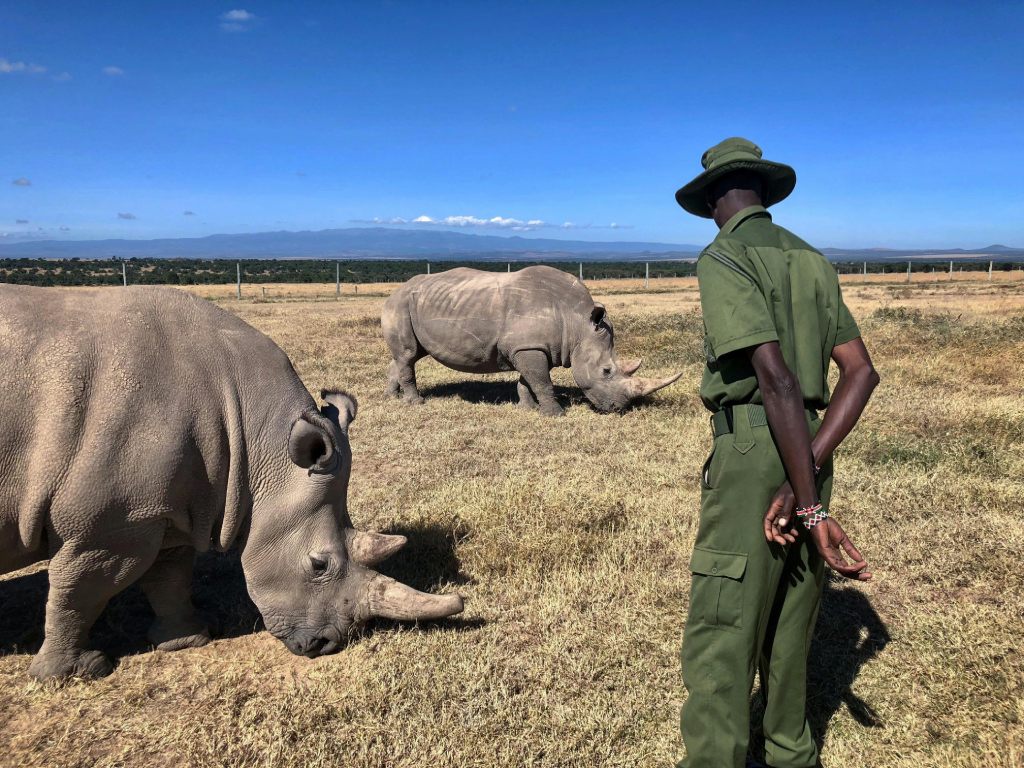
Ol Pejeta Conservancy — supports conservation and anti-poaching efforts as well as community development.
World Animal Protection Wildlife-Friendly Partners — highlights travel companies committed to avoiding wildlife entertainment experiences.